City Stories · 5 min read
Kumasi: The Ghanaian City Behind the Earrings
Why are my earrings named after Ghanaian cities? Because a name keeps a story alive. Every pair I make carries the name of a real place in Ghana — and none of those places means more to the story of West African craft than Kumasi, the heart of the Ashanti Kingdom.
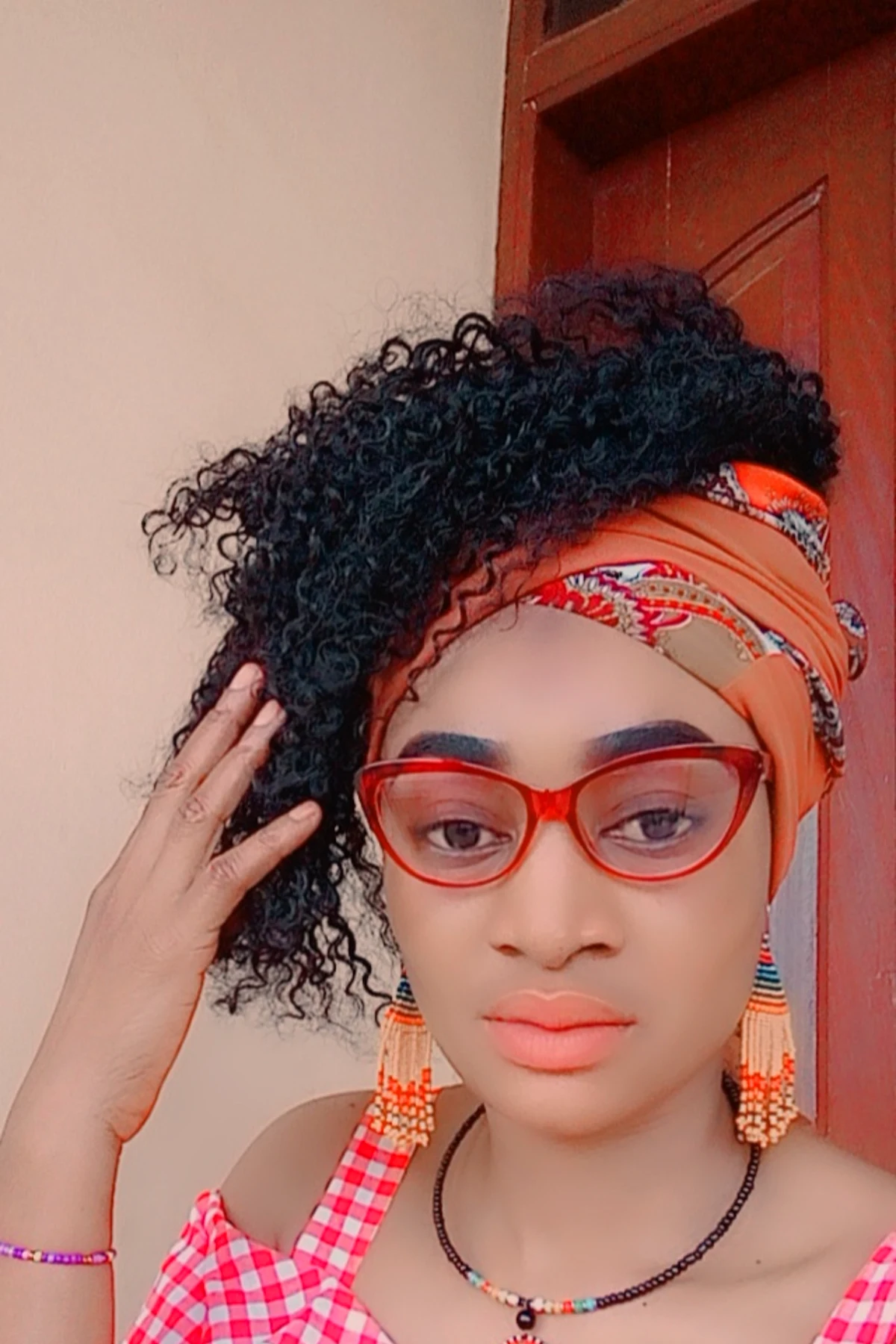
Rama — maker of Rama's Beaded World
When you buy a pair of my earrings, the tag doesn't say "Style #47." It says Kumasi, or Elmina, or Tamale, or Accra. I name every design after a Ghanaian city because these aren't just colour combinations to me — they're places I know, markets I've walked, and a heritage I carry with me to my new home on Vancouver Island. This is the first in a little series about those cities, and I had to begin with Kumasi.
The heart of the Ashanti Kingdom
Kumasi is Ghana's second-largest city, and for more than three centuries it has been the capital of the Ashanti people. This is the seat of the Asantehene — the Ashanti king — and the home of the legend of the Golden Stool, the sacred symbol said to hold the soul of the Ashanti nation. People sometimes call Kumasi the "Garden City" for its greenery, but its real gift to the world is craft: the Ashanti region gave us kente cloth, adinkra symbols, goldweights, and generations of artisans who treat making things by hand as a serious inheritance.
Kejetia: a market the size of a small city
If you want to understand why markets feel like home to me, picture Kejetia in Kumasi — one of the largest market places in West Africa, with thousands upon thousands of stalls. Cloth, brass, leather, food, and beads — strand after strand of glass beads. It's loud, it's alive, and everything in it passed through somebody's hands. When I set up my little table at the Duncan Farmers Market on a Saturday morning, I'm doing the same thing traders in Kumasi have done for centuries — just with a cooler breeze and more seagulls.
The pieces that carry Kumasi's name
I give the Kumasi name to designs with a certain confidence about them — pieces that hold their own in a room, the way the city holds its history. The Kumasi Purple Fringe is deep purple and black with silver light moving through the fringe; the Kumasi Fringe Drop swings with the kind of rhythm a Kejetia crowd moves to. Each is strung by hand with Krobo recycled-glass beads, and each is one of one — when it finds its person, it's gone.
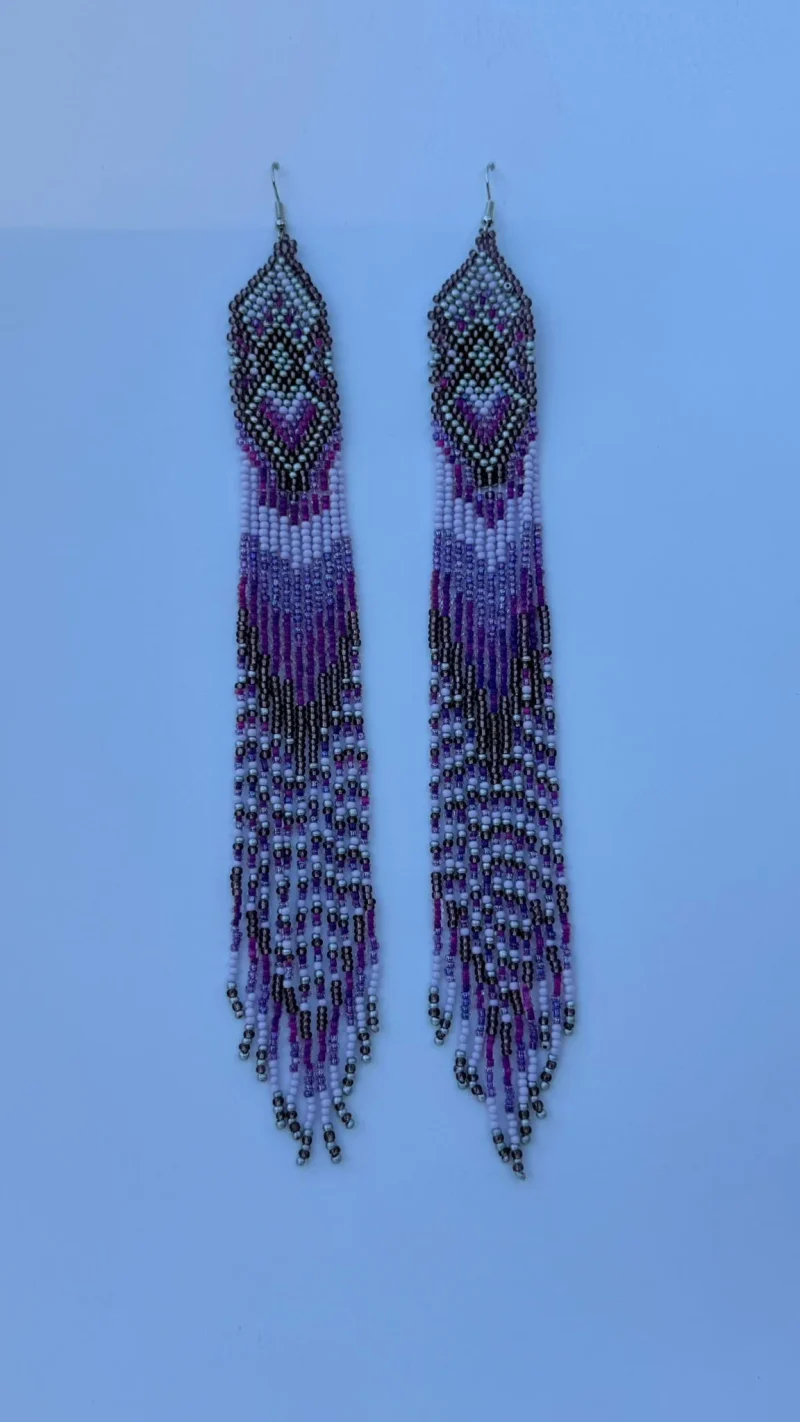
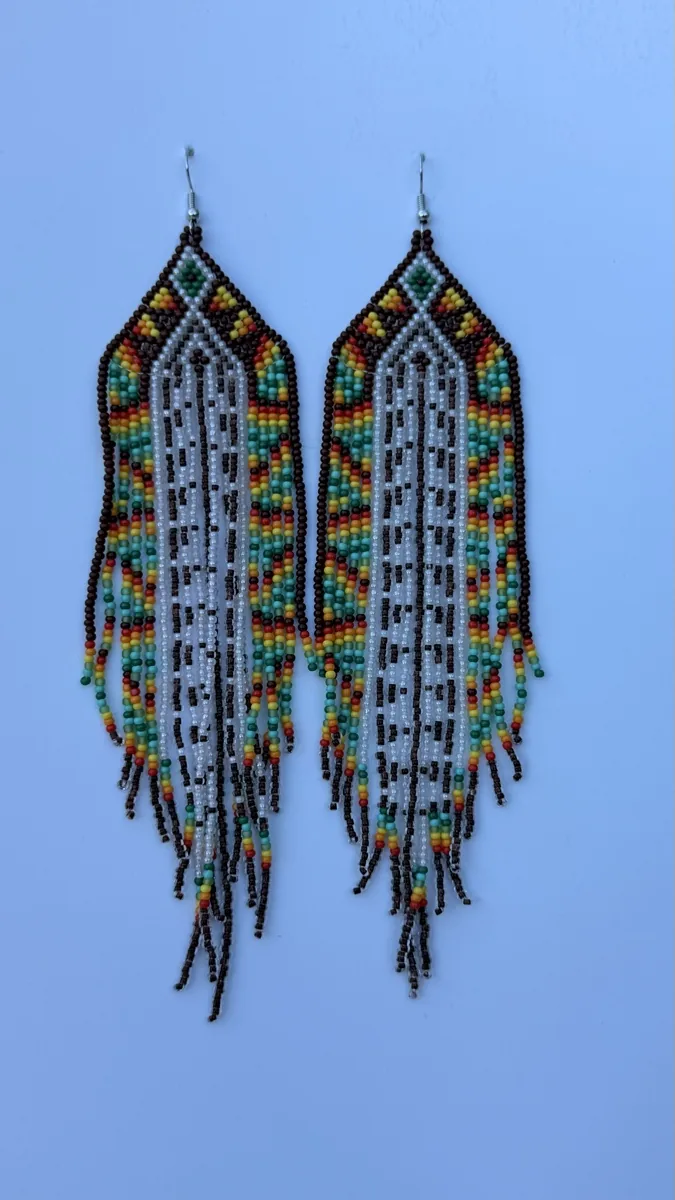
The Kumasi Purple Fringe and the Kumasi Fringe Drop
Why a name matters
Mass-produced jewelry is anonymous on purpose — nobody wants you asking where it came from. Handmade work is the opposite: the whole point is that it came from somewhere, through someone. Naming my designs after Ghanaian cities keeps the culture attached to the craft. When someone in Victoria or Nanaimo wears the Kumasi and a stranger asks about it, a small story about the Ashanti Kingdom gets told on Vancouver Island. That's the quiet work a pair of earrings can do.
Wear a city's story.
Shop the CollectionCurious how the beads themselves are made? Read the story of Ghanaian glass beads. Want to see the pieces in person? Here's where to find me each week.